How To Clean Upholstery: A Practical Guide For Taree Households
A lounge suite works harder than almost any other piece of furniture in the house. It absorbs spilt coffee, muddy paw prints, sunscreen, sweat and the general wear of daily life, yet most households only think about cleaning it once a stain has already set in. By then, the options for treating it safely are far more limited than if the fabric had been understood from the start. Upholstery needs a different approach from the carpet cleaning Taree households already rely on for their floors, since soft furnishings respond to moisture and cleaning agents in their own way.
Knowing how to clean upholstery properly starts with a simple truth: not all fabric is the same, and the wrong cleaning method can do more damage than the stain itself. This guide walks through what upholstery actually is, why keeping it clean matters beyond appearances, and how to approach different fabric types without causing watermarks, shrinkage or colour loss.
What Is Upholstery, Exactly?
Upholstery refers to the fabric, padding and covering materials used on furniture such as lounges, armchairs, dining chairs and ottomans. It is not a single material but a broad category that includes natural fibres, synthetic weaves, blends and leather.
Understanding this distinction matters because each fabric type interacts differently with water, heat and cleaning agents. A method that works well on a synthetic weave can leave permanent marks on a natural fibre such as silk or linen. Before attempting any clean, it helps to identify:
- The fabric composition (often found on a swing tag or manufacturer label)
- The weave type, since tighter weaves generally handle moisture better than loose or textured ones
- Whether the fabric has any existing damage, fading or looseness in the seams
Why Upholstery Cleaning Is Important
Beyond the visual appeal of a fresh-looking lounge, regular upholstery cleaning plays a role in indoor air quality and the lifespan of the furniture itself. Fabric fibres trap dust, skin cells, pet dander and airborne particles over time, and this build-up can contribute to musty odours and allergy flare-ups in sensitive households.
There is also a structural reason to keep on top of it. Dirt particles are abrasive at a microscopic level, and when they sit within the weave of a fabric, everyday use grinds them against the fibres. Over months and years, this accelerates wear, thinning and colour fade in high-contact areas such as armrests and seat cushions.
Understanding Fabric Cleaning Codes
Most upholstered furniture carries a cleaning code on a manufacturer's label, usually tucked under a cushion or on the underside of the frame. These codes are one of the most useful tools for working out how to clean upholstery fabric correctly, yet they are frequently overlooked.
- W – Water-based cleaning agents are safe to use
- S – Solvent-based cleaners only; water may cause shrinking, staining or ring marks
- WS – Either water-based or solvent-based cleaners can be used
- X – Vacuum only; no liquid cleaning agents of any kind, professional cleaning recommended
Cleaning a fabric outside its code is one of the most common causes of avoidable upholstery damage. An S-coded fabric treated with a water-based solution, for example, can develop a permanent ring or watermark that no amount of further cleaning will lift.
Preparing Before You Clean
A rushed clean is rarely a successful one. Preparation reduces the chance of spreading a stain further or introducing new marks during the process.
- Vacuum the entire piece first, including seams, crevices and the underside of cushions, to remove loose dust and debris
- Check the cleaning code and read any care instructions provided with the furniture
- Gather soft, colourfast cloths rather than coloured towels that could transfer dye
- Work in good light so watermarks or discolouration are easier to spot early
The Importance of a Patch Test
Before applying any cleaning solution to a visible area, test it on a hidden section such as the back of the cushion or the underside of an armrest. Apply a small amount, blot gently, and leave it for several minutes to check for colour transfer, texture change or shrinkage.
This step matters more on the coast than many people realise. Salt-laden air and higher humidity levels can leave fabrics more prone to reacting unpredictably to moisture, so a method that would normally be low-risk elsewhere can behave differently here. A patch test takes a few minutes and can prevent a costly mistake.
How to Clean Different Upholstery Fabrics
Once the cleaning code and fabric type are confirmed, how to clean upholstery correctly comes down to matching the method to the material.
- Cotton and linen blends (W-coded): Use a mild, diluted upholstery-safe cleaner with a soft cloth, working in the direction of the weave. Avoid saturating the fabric, as excess moisture can wick into the padding and take days to dry out fully.
- Synthetic weaves such as polyester or microfibre (W or WS-coded): These generally tolerate water-based cleaning well. A soft-bristled brush combined with a mild solution can lift surface dirt without flattening the pile.
- Silk, wool or delicate natural fibres (typically S-coded): Stick to solvent-based, upholstery-specific products and avoid rubbing, which can cause fraying or a shiny patch where the fibres have been disturbed.
- Leather: Wipe with a barely damp cloth and a leather-specific cleaner, then follow with a conditioner to prevent the surface from drying out and cracking.
- X-coded fabrics: Limit any home attempt to vacuuming only. Liquid cleaners of any kind risk permanent damage, and professional treatment is the safer route.
Many of the same principles from the best ways to treat common stains on carpet apply to upholstery too, particularly the importance of blotting rather than scrubbing and working from the outside of a stain inward.
When to Call in Professional Help
Some situations sit outside the scope of a safe DIY clean. Set-in stains, unknown fabric types, X-coded upholstery or furniture that has developed odours from moisture exposure often need equipment and products that go beyond a household cupboard.
- Deep-set stains that have already dried and bonded to the fibres
- Fabric with no visible or legible cleaning code
- Watermarking or ring marks left by a previous cleaning attempt
- Upholstery that feels damp, musty or has visible mould spotting
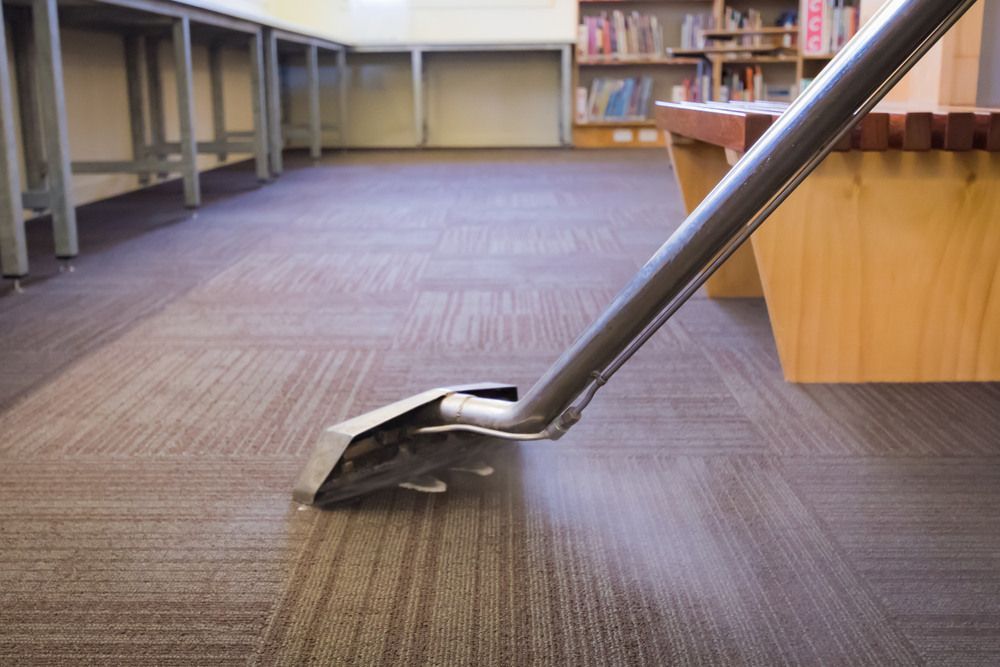
For delicate fabrics or set-in stains, our upholstery cleaning in Taree matches the method to your fabric's cleaning code, using the appropriate solution rather than a one-size-fits-all approach. We use the same deep-extraction equipment behind our carpet cleaning Taree service to treat heavily soiled lounges, drawing moisture and dirt out rather than leaving it sitting in the padding.
Maintaining Upholstery Between Cleans
A regular, light maintenance routine reduces how often a deeper clean is needed and helps upholstery hold its condition for longer.
- Vacuum weekly, paying attention to seams and under cushions where crumbs and dust collect
- Rotate and flip reversible cushions to spread out wear evenly
- Address spills immediately by blotting, never rubbing, with a clean cloth
- Keep furniture out of direct, prolonged sunlight where possible to reduce fading
- Air out cushions periodically, particularly in humid weather, to prevent moisture build-up in the padding
Get Expert Help With Your Upholstery
Knowing how to clean upholstery at home is useful for everyday spills and light maintenance, but fabric type, cleaning codes and the coastal climate all play a part in whether a DIY approach is safe. Getting it wrong can turn a minor mark into a permanent one, which is why understanding the fabric before reaching for a cleaning solution is worth the extra few minutes.
We at Lindfield's Big Red Carpet Cleaning & Pest Control understand that Taree and Mid North Coast homes face particular challenges when it comes to soft furnishings, from salt air affecting fabric fibres to the higher humidity that can slow drying times and encourage musty odours if moisture is left sitting in padding. Whether it's the carpet cleaning Taree households already rely on for their floors, or upholstery for lounges, dining chairs and other soft furnishings, we bring the same care to fabric type and cleaning method. If you are dealing with a stubborn stain, an unfamiliar fabric type or upholstery that has not been professionally cleaned in some time, we would rather help you get it right the first time than see a well-loved lounge suite damaged by an avoidable mistake. Unsure of your fabric type? Contact our team before you start to see the full range of services available to Taree households.