How To Get Mould Out Of Carpet (And When To Call A Professional)

Lindfield’s Big Red Carpet Cleaning & Pest Control • August 25, 2026

Finding mould on your carpet is unpleasant, and the instinct is usually to clean it immediately. For small surface patches on a carpet that dried out after a brief period of dampness, that instinct is right — there are effective DIY methods that will remove it. But for recurring growth, mould that appeared after water ingress, or anything with a musty smell that keeps coming back after cleaning, treating the surface alone will not solve the problem. This guide covers both: the practical steps for treating small patches yourself, and the clear line where professional remediation is the appropriate response.

Why Carpet Gets Mould In The Manning Valley

Mould spores are present in most indoor environments. What determines whether they grow into a visible problem is moisture — specifically, carpet or underlay that stays damp long enough for spores to colonise the fibres and backing.


On the Mid North Coast, the Manning Valley's humid coastal climate means carpet that gets wet stays wet for longer than in drier inland areas. Poor subfloor ventilation in older homes near Taree and the Manning River, combined with mild temperatures year-round, creates conditions where mould can establish quickly after a relatively small moisture event — a slow leak, a spill that wasn't dried thoroughly, or condensation building up in a room without adequate airflow.


The other factor that matters locally: surface mould is often the symptom, not the full extent of the problem. By the time mould is visible on the carpet pile, it has frequently already established in the underlay below. The underlay is a dense foam or felt layer that retains moisture and is difficult to treat from the surface — which is why DIY cleaning works for genuine surface patches and fails for anything that has reached further down.

What You Should Never Do First

Before the treatment steps, the things to avoid — because they make the situation worse:


  • Do not scrub the mould. Scrubbing drives spores deeper into the pile and disturbs them into the air where they can spread to other areas of the room and be inhaled
  • Do not use bleach on carpet. Bleach damages carpet fibres and backing, does not penetrate to treat mould in the underlay, and leaves residue that can cause long-term deterioration
  • Do not use a standard vacuum first. A regular vacuum without a HEPA filter will pick up mould spores and redistribute them through the exhaust — use a HEPA vacuum only, or skip vacuuming until after treatment

How To Treat A Small Mould Patch Yourself

What you need:

  • White vinegar in a spray bottle, or a commercially available anti-mould carpet solution
  • Clean white cloths or paper towels
  • A stiff-bristled brush (not metal)
  • A HEPA vacuum
  • Fans and open windows for ventilation

The process:

  1. Open windows and doors in the room to maximise airflow before you begin
  2. Spray the affected area with white vinegar or the anti-mould solution. Do not saturate — dampen the patch and a small margin around it
  3. Allow the solution to sit for at least 10 to 15 minutes. Vinegar is mildly acidic and needs contact time to be effective
  4. Work from the outside of the patch toward the centre with a cloth or brush, using a blotting motion rather than scrubbing. This lifts the mould rather than pushing it deeper
  5. Apply a second light application of the solution, blot again, then use dry cloths to remove as much moisture as possible
  6. Run fans directed at the area and keep the room well ventilated until the carpet is completely dry. This step is critical — treating mould and then leaving the carpet damp simply creates conditions for regrowth
  7. Once fully dry, vacuum the area with a HEPA vacuum to remove any residual spore material


The most important part of the process is the drying, not the cleaning solution. A carpet that is treated correctly but left damp will regrow mould — sometimes within days in humid Manning Valley conditions.


Regular deep cleaning through our carpet cleaning Taree service removes the trapped moisture and organic matter mould feeds on before it takes hold — worth considering as a preventive step in older homes with limited ventilation.

What the DIY Method Cannot Reach

The limitation of surface treatment is that it addresses what you can see and access from above. Carpet is a layered system — pile, primary backing, underlay, and subfloor — and mould that has reached the underlay cannot be effectively treated with spray and blotting from the surface.


Signs that the mould has gone beyond the surface:


  • A musty smell that persists or returns within days of cleaning
  • Mould that reappears in the same spot after treatment
  • A patch that is larger than a dinner plate
  • Visible mould on the carpet that appeared after a leak, flooding or extended water contact
  • Soft or spongy feel underfoot in the affected area, which can indicate the underlay is saturated


In these situations, the underlay usually needs to be lifted, inspected and in most cases replaced. The subfloor beneath also needs to be assessed for moisture and treated before new underlay and carpet are relaid. Treating only the carpet surface and leaving contaminated underlay in place means the mould re-establishes from below.


If the mould appeared after a leak or flooding, water damage restoration should come first — mould treatment will not hold while the carpet underneath is still wet.

The Health Risk Consideration

Mould in carpet is not just an aesthetic problem. Disturbing mould spores during cleaning — particularly without appropriate protection — releases them into the indoor air where they can be inhaled. For household members with respiratory conditions, allergies or compromised immunity, this exposure is a more significant concern than for otherwise healthy adults.


For large or well-established mould patches, professional remediation protects the occupants from spore disturbance during the treatment process in a way that DIY cleaning cannot. Professional equipment contains the affected area and removes contaminated material in a controlled way.


Removing mould at the source is also one of the fastest ways to improve your home's indoor air quality — particularly in older homes where carpet has absorbed years of organic matter that supports ongoing spore growth.

When To Call A Professional

The DIY method is appropriate for a small, genuine surface patch on a carpet that dried out after a brief moisture event and has not shown recurring growth. Call a professional when:


  • The patch is larger than a dinner plate
  • The musty smell returns after cleaning
  • Mould reappears in the same area within a few weeks
  • The mould appeared following water ingress, a leak or flooding
  • The carpet feels soft or damp underfoot in the affected area
  • You have household members with respiratory conditions or compromised immunity


Lindfords Big Red Carpet Cleaning & Pest Control has been operating in the Taree area for over 40 years. When we assess a mould problem, we check moisture levels below the pile — not just what's visible on the surface — because treating only the surface growth while contaminated underlay remains in place simply delays the recurrence.


If the mould keeps coming back, our mould removal on the Mid North Coast treats the underlying moisture problem, not just the visible growth. Contact our team to arrange an assessment.

An Ongoing Upholstery Cleaning In Taree Households
By Lindfield’s Big Red Carpet Cleaning & Pest Control July 7, 2026
Keep furniture fresh with upholstery cleaning in Taree. Remove stains, refresh fabric and protect your lounge. Book your service today.
Beige Carpet is Being Cleaned With a Vacuum Cleaner
By Lindfield’s Big Red Carpet Cleaning & Pest Control June 8, 2026
Discover what affects carpet cleaning cost in Taree and what to expect from carpet cleaning in Taree. Read our blog or call us to learn more.
Floor cleaning machine polishing carpet near glass doors in a commercial space
By Phil Lindfield's Big Red Carpet Cleaning & Pest Control April 20, 2026
It is easy to think of carpets as purely decorative, adding comfort & warmth. Yet beneath the surface, they play a much larger role in indoor air quality.
Spilled orange liquid from glass cup on carpet creating stain that requires professional cleaning
By Lindfield’s Big Red Carpet Cleaning & Pest Control March 20, 2026
Carpet stains at home in Taree? Learn ways to treat common spills and when to call Lindfield’s Big Red Carpet Cleaning & Pest Control. Read the blog today.
Cat Leaving Stain on Carpet — Phil Lindfield’s Big Red Carpet Cleaning & Pest Control in Taree, NSW
By Lindfield’s Big Red Carpet Cleaning & Pest Control February 25, 2026
Refresh your home with professional carpet cleaning in Mid North Coast. Eliminate stubborn pet stains and lingering odours. Book today.
A Person Steam Cleaning a Beige Carpet — Phil Lindfield's Big Red Carpet Cleaning in Taree, NSW
By Lindfield’s Big Red Carpet Cleaning & Pest Control January 2, 2026
Find tips for choosing the right carpet cleaner on the Mid North Coast so you get reliable deep cleaning results for your home.
Carpet Being Cleaned With a Blue Vacuum — Phil Lindfield's Big Red Carpet Cleaning in Taree, NSW
By Phil Lindfield's Big Red Carpet Cleaning November 26, 2025
Get expert carpet cleaning in Taree to remove stains and odours and help secure your bond. Prepare your rental with a professional clean today.
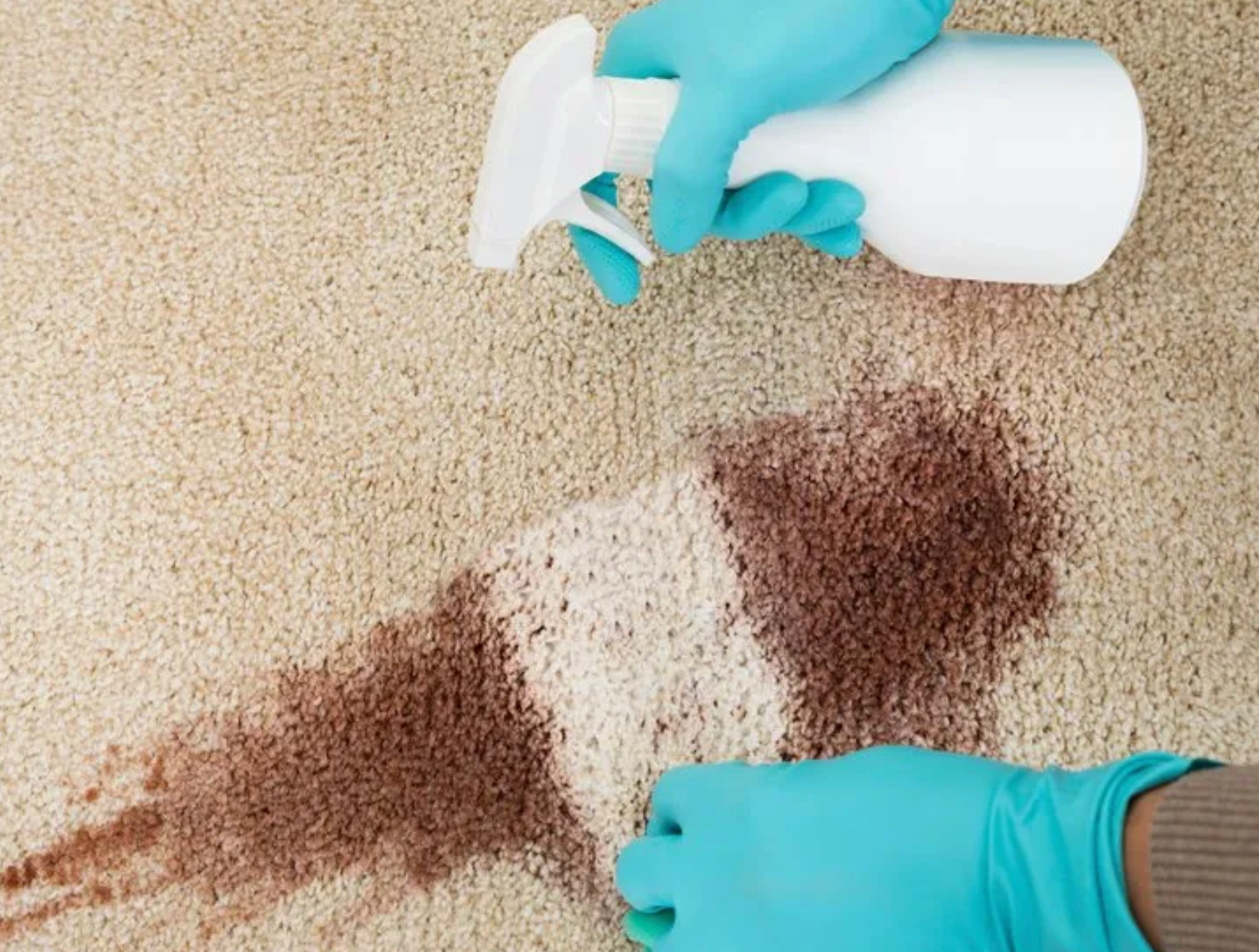
Hands in Blue Gloves Spraying Cleaner — Phil Lindfield's Big Red Carpet Cleaning in Taree, NSW
By Lindfield's Big Red Carpet Cleaning September 26, 2025
Lindfield’s Big Red Carpet Cleaning keeps Taree homes safe with expert carpet care. Avoid DIY risks—call 02 6551 2022 today for a professional clean.

Dirty Carpet Partially Cleaned — Phil Lindfield's Big Red Carpet Cleaning in Taree, NSW
By Phil Lindfield's Big Red Carpet Cleaning September 1, 2025
Discover how steam cleaning and dry carpet cleaning differ and find the ideal approach for carpet cleaning in taree today – read on and act now.
Show More